Mosel Riesling – a guide to the wine, the labels and tasting on the Moselle
This article contains affiliate links to GetYourGuide. If you book through them we may earn a small commission, at no extra cost to you.
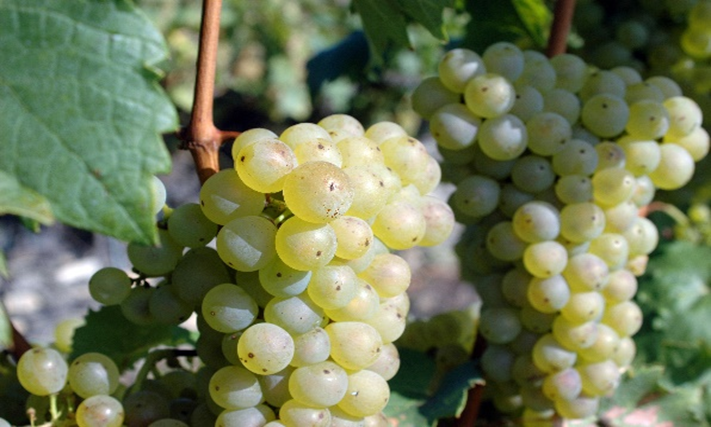
Mosel Riesling is light, crisp and racy – sometimes bone dry, sometimes with a sweet core balanced by high acidity. This guide explains why the grape thrives on the Moselle’s steep slate slopes, how to read a German wine label and how to taste the wines on the spot with the winemakers along the river.
Three ways to taste Riesling where it grows
Highly rated by previous travellers, with tastings right in the vineyard or the cellar.
Kröv: covered wagon ride through the vineyards with wine tasting
You trundle up among the vines at wagon pace and taste the winemaker’s wines with a view of the river – a relaxed way to see why the slopes matter so much.
Check prices & dates →
Most booked
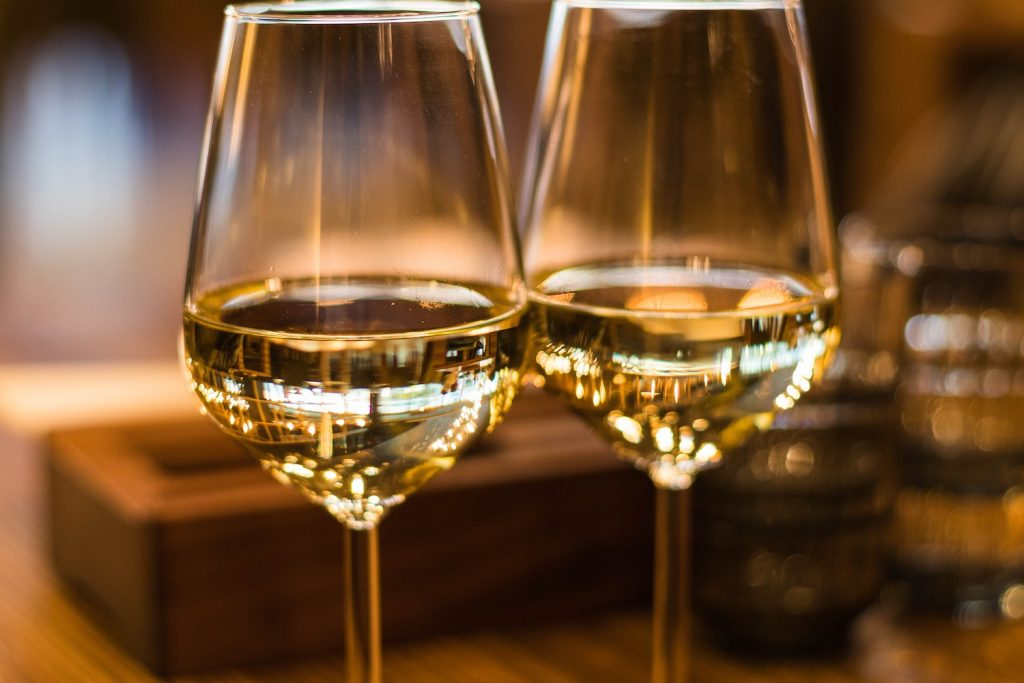 Trier: guided old town walk with wine tasting
Roman history and Mosel wine on the same walk. A good start if you arrive in Trier and want a quick introduction to the region’s wines.
Check prices & dates →
Great value
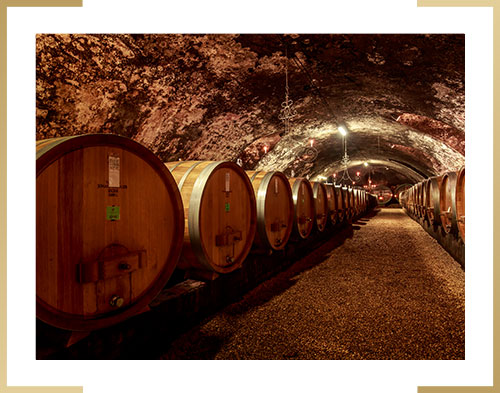 Reil: organic wine tasting and cellar tour
A guided tasting at an organic winery near Zell, including a visit to the cellar where the wine ferments and matures.
Check prices & dates →
Why Mosel Riesling tastes the way it does
Riesling is a late-ripening grape. According to the German Wine Institute (Deutsches Weininstitut, DWI), it does best in northerly growing regions, where the grapes ripen slowly in the autumn sun, and the best conditions are found on warm, stony slopes along river valleys. That’s a fairly exact description of the Moselle.
Three things work together:
- Steep, south-facing slopes. The river winds in tight loops, and on the outer bends the slopes turn towards the sun. According to the regional wine body Weinland Mosel, some 3,000 hectares lie on steep slopes, making the Mosel, Saar and Ruwer the world’s largest steep-slope wine region.
- Slate. Roughly half the vineyard area sits on Devonian slate – blue, grey, brown or reddish. The stone stores the day’s warmth and releases it at night, which Weinland Mosel describes as a significant advantage on cold autumn nights, just when the Riesling needs its final weeks of ripening.
- A cool climate and a sheltered valley. The valley gives shelter, and the river acts as a heat store. The result is a long ripening period and preserved acidity – the backbone of every Mosel Riesling, from the driest to the sweetest.
In the glass this usually shows as a light body, often low alcohol, notes of apple and peach and a stony, almost smoky edge that the DWI links to slate soils. With age, Rieslings can develop a note reminiscent of petrol – a well-known hallmark, not a fault.
How much Riesling is grown on the Mosel?
According to the DWI’s latest figures (2025), Riesling is planted on 5,156 of the Mosel’s 8,287 hectares – around 62%. Next come Müller-Thurgau (679 ha), Spätburgunder (441 ha) and the old local variety Elbling (405 ha). The Mosel wine region has six districts (Bereiche), 524 individual vineyard sites and around 5,000 winegrowers in just over 125 wine villages. Across Germany there are approx. 24,200 hectares of Riesling – about 45% of the world’s Riesling is grown here.
The grape has deep roots in the region. According to the DWI, the word “Riesling” first appears in a document dated 13 March 1435, and the oldest Riesling traditions are found in the Rheingau and on the Mosel.
“Mosel” or “Moselle”? Both mean the same river. The German wine region is officially called Mosel, which is the name you’ll see on labels and wine lists; in English the river and valley are usually called the Moselle.
Famous vineyards worth knowing
German vineyard names are usually built from the village name with the ending -er plus the site: Wehlener Sonnenuhr simply means the Sonnenuhr vineyard in Wehlen. Here are six names you’ll see on wine lists along the river. The first five are classified as VDP.Grosse Lage, the top tier in the system of the VDP producers’ association.
- Bernkasteler Doctor – a small, steep site (around 3.2–3.5 hectares) above Bernkastel with dark Devonian slate and gradients of up to 70%. Legend has it that Archbishop Boemund II of Trier was cured by its wine in 1360, hence the name. One of Germany’s most famous vineyards.
- Wehlener Sonnenuhr – grey-blue slate and a sundial that winemaker Jodocus Prüm built on the slope in 1843.
- Ürziger Würzgarten – red soil coloured by iron oxide, with volcanic rock that Weinland Mosel says gives the wines a distinct spiciness. The name (“spice garden”) probably refers to the spiced wines of the Middle Ages.
- Erdener Treppchen – the Würzgarten’s neighbour across the river, with red, clay-rich slate and gradients of 50–80%. The name translates roughly as “the little staircase”.
- Piesporter Goldtröpfchen – a large amphitheatre-shaped slope around Piesport, facing south-east to south-west and catching the sun for most of the day.
- Bremmer Calmont – according to the DWI, Europe’s steepest vineyard, on the Terrassenmosel between Bremm and Ediger-Eller. The gradient means almost all the work is done by hand.
Kabinett, Spätlese, Auslese – German Prädikat levels explained
The most confusing thing about German Riesling is that the label tells you about ripeness at harvest, not how sweet the wine tastes. Prädikatsweine must come from one of Germany’s 13 wine regions, may not be chaptalised (no sugar added during fermentation), and the level is set by the sugar content of the grape must, measured in degrees Oechsle. The requirements are slightly lower on the northerly Mosel than in southern Germany.
| Prädikat | What it means | Typical Mosel style |
|---|---|---|
| Kabinett | Light wines from ripe grapes, low alcohol | Classically light and fruity, often with a touch of residual sugar – but dry versions exist too |
| Spätlese | “Late harvest”, more concentration | Fuller and more intense, not necessarily sweet |
| Auslese | Selected, fully ripe bunches; unripe berries sorted out | Usually clearly sweet, can age for a long time |
| Beerenauslese (BA) | Overripe berries, often with noble rot | Sweet dessert wine |
| Eiswein | Grapes harvested and pressed frozen, at −7 °C or below | Very sweet with high acidity; not made every year |
| Trockenbeerenauslese (TBA) | Raisin-like, botrytised berries | The sweetest and rarest level; can age for decades |
Trocken, halbtrocken and feinherb
Sweetness is shown by separate terms. According to the DWI:
- Trocken (dry): no more than 4 g of residual sugar per litre, or up to 9 g/l if the acidity is no more than 2 g/l lower than the sugar. Because Mosel acidity is so high, a wine with 7–8 g/l often tastes completely dry.
- Halbtrocken (off-dry): up to 12 g/l, or up to 18 g/l if the sugar exceeds the acidity by no more than 10 g.
- Feinherb: no legal definition, but usually sits in the off-dry to lightly sweet range. Common on the Mosel and often a good choice with food.
- Lieblich (up to 45 g/l) and süß (over 45 g/l) for the distinctly sweet wines.
If there’s no sweetness term on the label and the alcohol is around 7.5–9%, the wine is almost always fruity-sweet. Dry Mosel Rieslings more often come in at 11.5–13%. Don’t be shy about asking the winemaker – “eher trocken oder eher fruchtig?” (more dry or more fruity?) works everywhere.
The VDP classification and GG
The VDP (Verband Deutscher Prädikatsweingüter) is a private association of quality producers with its own four-tier model. The principle is that the more precise the origin, the higher the quality:
- VDP.Gutswein – the estate’s entry-level wine, from its own vineyards, max. 75 hl/ha.
- VDP.Ortswein – village wine from the best sites in one municipality, often a pre-selection from the top vineyards.
- VDP.Erste Lage – clearly defined first-class sites, max. 60 hl/ha, tasted and approved by a regional panel.
- VDP.Grosse Lage – the top tier, max. 50 hl/ha, selective hand-picking and extra checks.
A dry wine from a Grosse Lage is called Grosses Gewächs (GG) and is bottled in a bottle embossed with the GG logo; dry wines from an Erste Lage are labelled 1G. At the VDP, dry wines carry no Prädikat – Kabinett, Spätlese and above are reserved for fruity-sweet and nobly sweet wines. White GGs are released no earlier than 1 September of the year after the harvest. On the Mosel, Grosse Lage wines may be made from Riesling and Spätburgunder.
Since 2021, German wine law has had its own origin pyramid that resembles the VDP’s but isn’t the same thing, so not every producer uses VDP terms. VDP members are easy to spot by the eagle with a bunch of grapes on the bottle capsule.
How to read a German wine label
A typical Mosel Riesling label includes, in some order:
- Producer (Weingut …) – the most important name. A good producer makes good wine even at entry level.
- Region: Mosel.
- Village + vineyard, e.g. Ürziger Würzgarten – or just the village (Ortswein), or nothing at all (Gutswein).
- Grape: Riesling.
- Prädikat (Kabinett, Spätlese …) and/or sweetness (trocken, feinherb).
- Vintage and alcohol content – the latter is your best clue to sweetness.
Some names that look like single vineyards are actually Großlagen – collective names covering many vineyards in several villages. A well-known example is Piesporter Michelsberg, not to be confused with the top site Piesporter Goldtröpfchen. Under the new wine law, these collective names must be preceded by the word “Region” on the label from the 2026 vintage onwards, which makes the difference easier to spot.
Food pairing with Mosel Riesling
Its high acidity makes Mosel Riesling one of the most food-friendly white wines around. A few pairings that tend to work:
- Dry Riesling or GG – fish and seafood, pike-perch, trout, chicken, asparagus and the local Flammkuchen. Also excellent with smoked salmon or a classic fish pie.
- Feinherb or Kabinett – spicy Asian food (Thai, Indian, sushi), smoked fish and pork dishes. A little residual sugar takes the edge off the chilli.
- Spätlese and Auslese – blue cheese, foie gras, apple tart and fruit desserts.
- BA, TBA and Eiswein – best as a dessert in their own right, or with a properly aged cheese.
Serve the lighter wines well chilled but not ice-cold; around 8–10 °C suits most Rieslings, slightly warmer for GG.
Wine tasting on the Moselle – how to visit the wineries
Tasting Riesling where it grows is the best way to understand the differences between sites and styles. You basically have four options:
1. A Weinprobe at the winery
Most wineries sell direct from the estate (“Weinverkauf”, “Weinprobe”). Larger estates are often open without an appointment in season, while smaller family wineries prefer you to phone or email ahead – the winemaker may well be out in the vineyard in the middle of the day. A simple tasting normally costs a small fee, often deducted if you buy wine. Tastings are in German unless agreed otherwise, but English works in many places.
2. Vinotheken
A Vinothek is a wine shop or tasting bar where you can compare several producers under one roof. Handy if you only have an afternoon, and a good way to find favourites before visiting an individual estate. Ask the tourist office in Bernkastel-Kues, Cochem or Zell for current addresses.
3. Straußwirtschaft – the winemaker’s pop-up tavern
A Straußwirtschaft (also Strausswirtschaft or Heckenwirtschaft) is a simple tavern at the winemaker’s that only opens for limited periods of the year. You drink the estate’s own wines, often in 0.1- or 0.2-litre glasses, with simple home cooking such as Flammkuchen or a cheese board. Look out for a broom or wreath of greenery above the gate – the traditional sign that it’s open.
4. Guided tastings and wine walks
If you want context without doing the planning yourself, a guided tasting is the easiest option. In Bernkastel, the tourist office runs a Doctor Wine Tour, a walk of about 90 minutes through the old town that ends with two glasses from the Doctor vineyard. The choice is widest around the autumn harvest and during the wine festivals – find out more in our guide to Moselle wine festivals and the best time to visit the Moselle.
Where to stay for a wine trip
The Middle Moselle between Bernkastel-Kues and Traben-Trarbach has most of the famous Riesling sites within a short distance. If you’d like to wake up among the vines, you can stay at a winery – many estates let rooms or holiday flats. Travelling by motorhome? See our Moselle motorhome guide. Or let someone else do the driving: a Moselle river cruise often stops in the wine villages.
Trier – Riesling, Romans and old cellars
If you fly into Luxembourg, Trier is the natural starting point – it’s the nearest major Moselle town. The city lies close to both the Saar and the Ruwer, side valleys of the Moselle where cooler sites produce especially taut, zesty Riesling, and it has several large traditional wineries with cellars beneath the streets.
Riesling vs Pinot Noir (Spätburgunder)
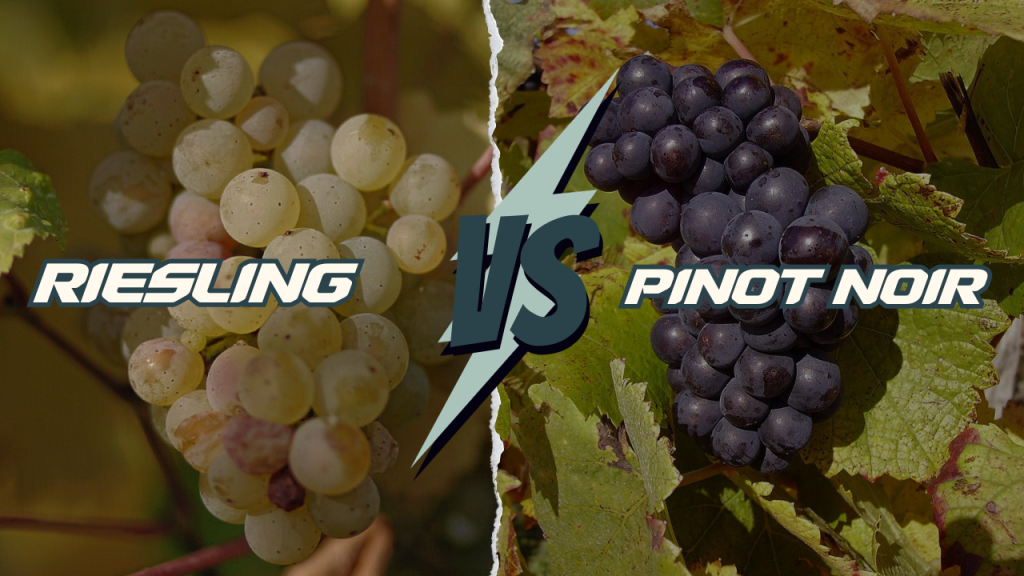
The Mosel is white-wine country, but red does exist. Spätburgunder – the German name for Pinot Noir – covers 441 hectares and is the region’s third-largest variety after Riesling and Müller-Thurgau. On the Mosel it’s also the only grape besides Riesling that the VDP permits for Grosse Lage wines.
- Riesling: white, high acidity, light body, apple, citrus and peach fruit. Ranges from bone dry to sweet.
- Spätburgunder: red, light to medium-bodied, red berries and cherry, soft tannins. Almost always dry.
Try both at the same winemaker’s: a Spätburgunder grown on slate is often paler and more elegant than fans of big reds expect, and it goes well with game, duck and mushroom dishes.
Buying Mosel Riesling at home and bringing wine back
Back home, a good independent wine merchant can usually point you to a few Mosel Rieslings. If you find a favourite at a winery, ask whether they already have an importer in your country.
The easiest option, of course, is to buy on the spot. If you’re returning to Great Britain (England, Scotland and Wales), the duty-free allowances per person aged 17 or over are:
- 18 litres of wine, still or sparkling (24 standard bottles)
- 42 litres of beer or cider
- 4 litres of spirits and other drinks over 22%
- 9 litres of other drinks up to 22%, such as port or sherry
Exceed an allowance – even by one litre of wine – and you pay tax and duty on the whole amount, not just the excess. Declare anything over the limit online before you travel or at the border; undeclared goods can be seized. Wine shipped to you from abroad is charged excise duty, customs duty and usually VAT. Northern Ireland has its own rules, and US and other travellers should check their own customs authority. If you’re flying, your airline’s baggage rules apply – wineries often sell cases with protective inserts.
FAQ: Mosel Riesling
Is Mosel Riesling always sweet?
No. The Mosel makes everything from dry (trocken) to very sweet wines, and many producers now make a large share of their wines dry or off-dry. Look for the word “trocken” or GG on the label, and check the alcohol – low alcohol usually points to residual sugar.
What does feinherb mean?
Feinherb has no legal definition, but it’s used for wines that taste off-dry to lightly sweet. It’s a popular style on the Mosel because the high acidity keeps the sweetness in balance.
Which level should a beginner choose?
Start with a Kabinett and a dry Riesling (Gutswein or Ortswein) from the same producer. You’ll quickly see how differently the same grape can taste. Spätlese and Auslese work well at the end of a meal or with cheese.
How much wine can I bring back to the UK from Germany?
Into Great Britain, the duty-free allowance is 18 litres of still or sparkling wine per person aged 17 or over – 24 standard bottles. Go over it and you pay duty and tax on the whole amount, so declare it. Check GOV.UK for the current rules before you travel.
Do I need to book a wine tasting in advance?
At smaller family wineries it’s wise to get in touch the day before. Vinotheken and larger estates are often open without an appointment in season. Book guided tastings and wine walks in advance, especially at weekends and during the autumn wine festivals.
How long can Mosel Riesling be aged?
Simple dry wines are best drunk within a few years. Good Kabinett and Spätlese from top sites often develop for ten years or more, and according to the DWI, Trockenbeerenauslese can be aged for decades.
- German Wine Institute – Anbaugebiet Mosel – 2025 vineyard area, Riesling area, other varieties, Bereiche, vineyard sites, Bremmer Calmont
- Weinland Mosel – Daten + Fakten – Riesling share approx. 62%, approx. 3,000 ha of steep slopes
- Weinland Mosel – Wurzeln (Geologie) – slate types, heat storage, volcanic rock at Ürzig
- German Wine Institute – Riesling – area in Germany, share of world Riesling, first mention in 1435, climate and aromas
- German Wine Institute – Prädikate – Prädikat levels, Eiswein at −7 °C, no added sugar
- German Wine Institute – Geschmacksrichtungen – residual sugar limits for trocken, halbtrocken, lieblich, süß; feinherb
- VDP – Klassifikation – the four tiers, GG/1G, Prädikat for sweet wines, release date, permitted grapes on the Mosel
- VDP Vineyard.Online – Doctor, Sonnenuhr, Würzgarten, Treppchen, Goldtröpfchen – soil, gradient, size and history of each vineyard
- Visit Mosel – Doctor Wine Tour – guided wine walk in Bernkastel
- RP Darmstadt – Neues aus dem Weinbezeichnungsrecht (2026) – Großlagen labelled “Region” from the 2026 vintage
- GOV.UK – Bringing goods into Great Britain – alcohol allowances, minimum age 17, duty on the whole amount if exceeded, declaring
- GOV.UK – Tax and duty on goods sent from abroad – excise duty, customs duty and VAT on alcohol sent to the UK
Last updated: October 2026. Facts checked against the sources above; prices and opening hours may change.